



























6G: European telco leaders lay down migration markers
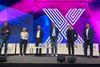
In depth: Deutsche Telekom, Orange, and Vodafone set out their conditions for 6G at Network X, mapping how Europe’s leading operators are converging on a pragmatic vision to protect 5G investments, minimise hardware disruption and making economics drive migration, albeit with differences remaining over spectrum sharing, core architecture, and timing…
This article includes:
- Themes: 2G (Second-generation mobile network); 3G (Third-generation mobile network); 4G (Fourth-generation mobile network); 5G (Fifth-generation mobile network); 5G-Advanced; 6G (Sixth-generation mobile network); Artificial intelligence (AI); Core network; Dual connectivity; Hardware refresh; Integrated sensing and communication (ISAC); Multi-radio access technology spectrum sharing (MRSS); Non-terrestrial networks (NTN); Overlay networks; Radio access network (RAN); Service-based architecture (SBA); Spectrum allocation; Standardisation; Total cost of ownership (TCO).
- Events: Network X; World Radiocommunication Conference 2027 (WRC-27).
- People: Anita Döhler; Arash Ashouriha; Gabriel Brown; Laurent Leboucher; Luke Ibbetson; Sushil Rawat.
- Geographic: Europe; Vienna.
- Organisations: 3GPP (3rd Generation Partnership Project); China Mobile; China Unicom; Deutsche Telekom (DT); Ericsson; Huawei; Next Generation Mobile Networks Alliance (NGMN Alliance); Nokia; Omdia; Orange; Samsung; Telus; Vodafone Group.
This is Subscription-Only Content. Subscribe to continue reading
Already a subscriber? Sign in here, or contact us to check if your company has access.
Become a TelcoTitans Subscriber Today
Stay ahead with access to all TelcoTitans insight and analysis.
Subscriptions include:
- Full access to all TelcoTitans online news, insight and analysis
- Exclusive Analyst Briefings and 10+ premium newsletters
- Industry-leading insight and analysis that you simply cannot get anywhere else
“Super intelligence, consistently high quality, and easy to digest” – Partner, Deloitte.